
Are Men and Women Different When it Comes to Exercise?
When it comes to losing weight and getting fit, everyone wants to look and feel better.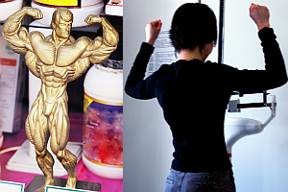
Still, men and women approach fitness in different ways.
Men typically want more muscle mass and women usually want to be slimmer, and each gender goes about reaching those goals differently. Women wanting to lose body fat tend to seek out exercises that lengthen muscle and burn calories, such as yoga and dancing. On the other hand, men are more likely to go for strength training or boot camp-style exercise.
Anatomical and physiological differences can translate into different workout preferences and performance.
There are also differences between the sexes (in terms of typical body structure and composition as well as hormonal balance) that can affect the way men and women exercise. For example, women have wider hips that can cause the leg bones to angle in a way that makes women more prone to knee injuries. A woman’s menstrual cycle and various hormonal fluctuations may help or hinder her motivation and performance. Men, for their part, tend to have more lean muscle but also tend to be less flexible than women, whose higher estrogen levels play a role in keeping connective tissues more pliable.
It’s important to note that these types of differences DON’T mean that men and women can’t perform the same types of exercises. For example, while some extreme CrossFit workouts may be more difficult for women, women are certainly able to do them. Similarly, men can benefit from yoga’s stretching and mindfulness even if many lack the kind of natural balance and flexibility that many women have.
Each gender benefits from different activities throughout life.
Whether you happen to be a man or a woman, good health requires regular physical activity—ideally, exercise that promotes strength, stamina, balance, flexibility and coordination. But the kinds of activities that benefit each gender most can vary depending on age.
Bone density in women can decrease rapidly (particularly in women over 40), while the bone density of men usually remains somewhat more consistent throughout life. For this reason, young women may want to focus on higher-impact exercise such as running and jumping to help maximize bone mass early on. Weight training can also help women of all ages increase and maintain healthy bone and muscle mass.
Heart health is certainly important for everyone, but men are more likely to develop heart disease and at a younger age. Younger men can decrease their risk by focusing on lower impact aerobic exercises such as cycling and swimming.
Since cross-training and “muscle confusion” have the potential to jump-start stalled workout programs and to produce more well-rounded results over time, it might be a good idea for men and women to cross the traditional “gender line” for exercise once in a while.
Whether you’re a man or woman, maintaining optimal fitness can also help your spine stay healthy.
No matter your gender, men and women can both suffer from poor posture, spinal pain and discomfort. Many times these symptoms can be prevented or corrected through the right combination of cardiovascular, anaerobic and flexibility exercises.
Get Pain Relief Today – See Your Back Pain Chiropractor in Wilmington NC
If you suffer from pain in your back, Southeastern Healthcare can help you find lasting relief and improved mobility. Call us today at 910-790-3666. We are here for you. Our chiropractic team can help you manage your pain naturally and effectively. Discover for yourself the difference that safe and effective chiropractor Wilmington NC care can make. With six locations throughout the Wilmington area, we have an office conveniently close to you.
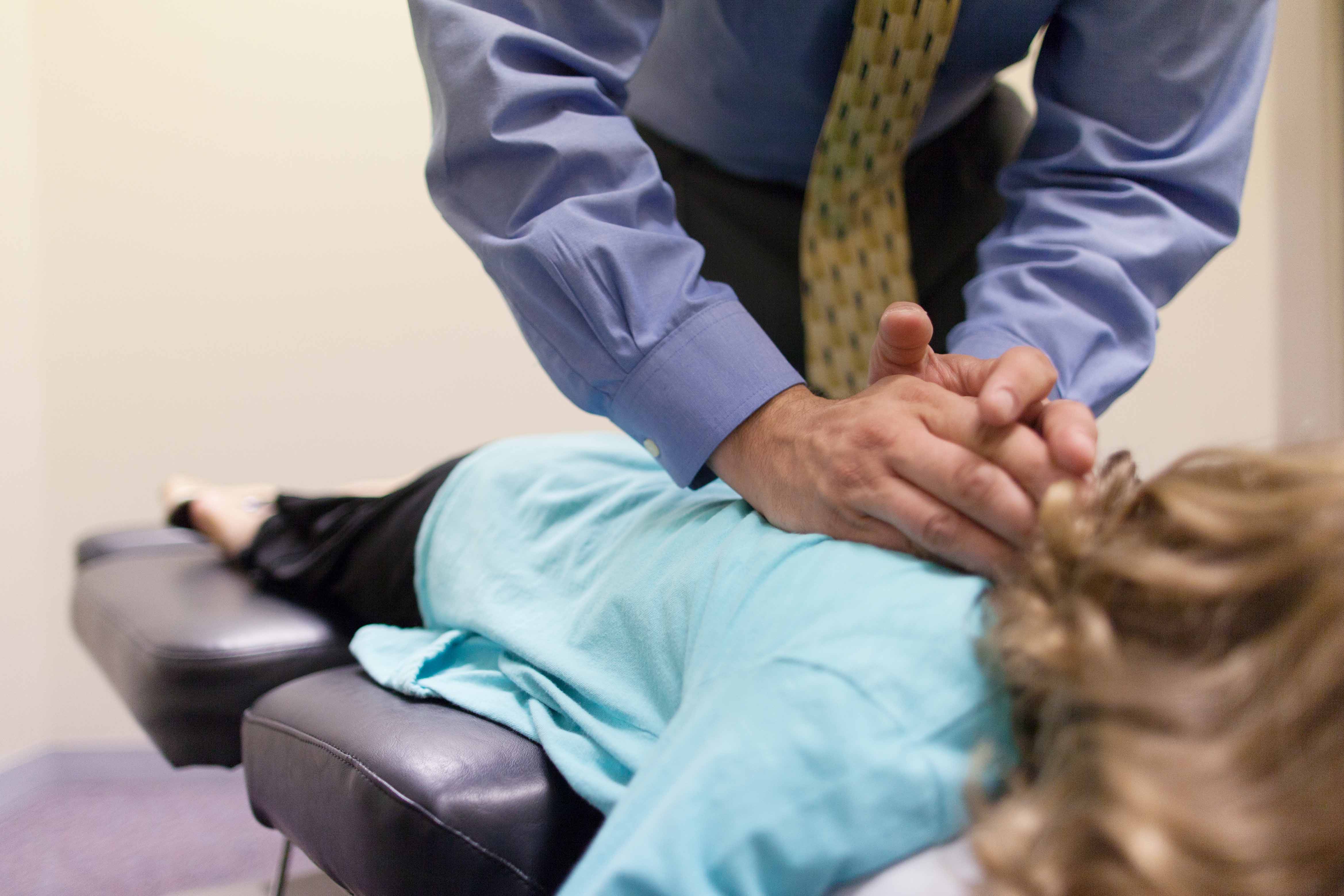
 Participating in sports is fun. Sports provide healthy exercise, comradeship, a sense of competition, and the opportunity to build and improve athletic skills. However, all sports also involve some risk of injury. In 2006, the National Electronic Injury Surveillance System reported over half a million injuries, and that figure is only for basketball. The same agency recorded another two million sports injuries associated with bicycling, football, and other sports. And it’s not just adults who risk injury—the National SAFE KIDS Campaign and the American Academy of Pediatrics report that 3.5 million kids age 14 and younger are injured every year playing sports.
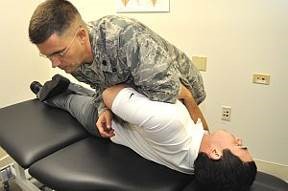 Lower back pain (LBP) is so widespread that it was listed in the 2010 Global Burden of Disease report as being the single leading cause of disability worldwide. Over half of all working Americans have lower back pain symptoms each year, resulting in lost work time and enormous expense – Americans spend over $50 billion each year to treat their back pain.
 Unless you’re either very, very young or live on a remote desert island without TV, radio, Internet or print media, you’ve probably heard the term “core strength” before. Serious athletes and exercise enthusiasts talk about it at the fitness center, and so do their coaches and trainers. But did you know that chiropractors and physical therapists talk about it too? So what exactly is core strength and why do some kinds of healthcare professionals care about it so much?
 As anyone who has a long commute to work or drives for a living can tell you, driving can take a toll on your body, especially your back!
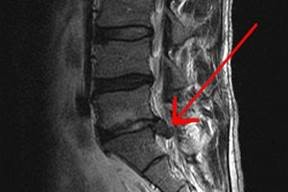 One of the most common causes of lower back pain occurs when the spinal disks in the lumbar area become herniated. A herniated disk happens when the bone of the disk itself has crumbled or fractured and the soft inner core bulges out through the outer portion of the disk. This places pressure on the spinal nerve root that runs through the disks, and the result can be pain in the lower back as well as numbness, tingling, or weakness in the legs and buttocks. Medical doctors tend to treat acutely herniated disks with oral steroids and epidural injections of cortisone, both of which have limited success rates and adverse side effects.